Today
20
in History
26
January
February
March
April
May
June
July
August
September
October
November
December
01
Tue
02
Wed
03
Thu
04
Fri
05
Sat
06
Sun
07
Mon
08
Tue
09
Wed
10
Thu
11
Fri
12
Sat
13
Sun
14
Mon
15
Tue
16
Wed
17
Thu
18
Fri
19
Sat
20
Sun
21
Mon
22
Tue
23
Wed
24
Thu
25
Fri
26
Sat
27
Sun
28
Mon
29
Tue
30
Wed
...
09-29-2008
Dow suffers record‑breaking single‑day drop
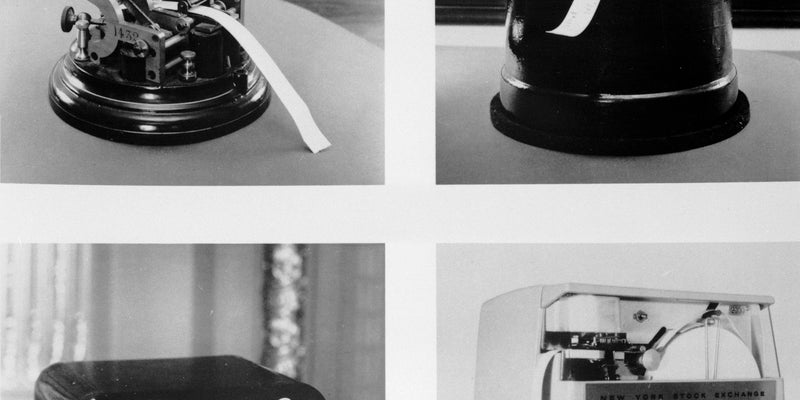
On September 29, 2008, after Congress failed to pass a $700 billion bank bailout plan, the Dow Jones Industrial Average falls 777.68 points—at the time, the largest single-day point loss in its history.
Down 7 percent, a greater loss than the 684.81 skid on September 17, 2001 (the first trading day post-9/11), the S&P 500 also suffered its biggest one-day loss since the 1987 crash, dropping 8.8 percent, and the Nasdaq fell 9.1 percent, its biggest single-day point loss in eight years.
The huge decline followed the bankruptcies of Wall Street brokerage firm Lehman Brothers, Savings and Loan bank Washington Mutual, as well as the Fed’s announcement that it would provide an $85 billion bailout for insurance provider American International Group (better known as AIG) to keep it from going under.
Also playing into things was a housing slowdown that triggered homeowners to suffer subprime mortgage defaults, widespread job losses and the Fed’s intervention to bail out investment bank Bear Stearns, as well as government-sponsored Fannie Mae and Freddie Mac.
Congress’s inability to pass the Bush administration’s bill led to fears that the nearly frozen credit markets wouldn’t be able to rebound quickly, causing sellers to shed their stocks. The Dow drop equaled a whopping $1.2 trillion loss in market value, contributing to the 18-month-long Great Recession.
Congress eventually did pass a bailout bill, with Bush signing the Emergency Economic Stabilization Act of 2008. The Dow drop remained the largest single-day point loss until 2018.
More news today
loading...