Today
20
in History
26
January
February
March
April
May
June
July
August
September
October
November
December
01
Thu
02
Fri
03
Sat
04
Sun
05
Mon
06
Tue
07
Wed
08
Thu
09
Fri
10
Sat
11
Sun
12
Mon
13
Tue
14
Wed
15
Thu
16
Fri
17
Sat
18
Sun
19
Mon
20
Tue
21
Wed
22
Thu
23
Fri
24
Sat
25
Sun
26
Mon
27
Tue
28
Wed
29
Thu
30
Fri
31
Sat
...
10-07-1960
Kennedy and Nixon debate Cold War foreign policy
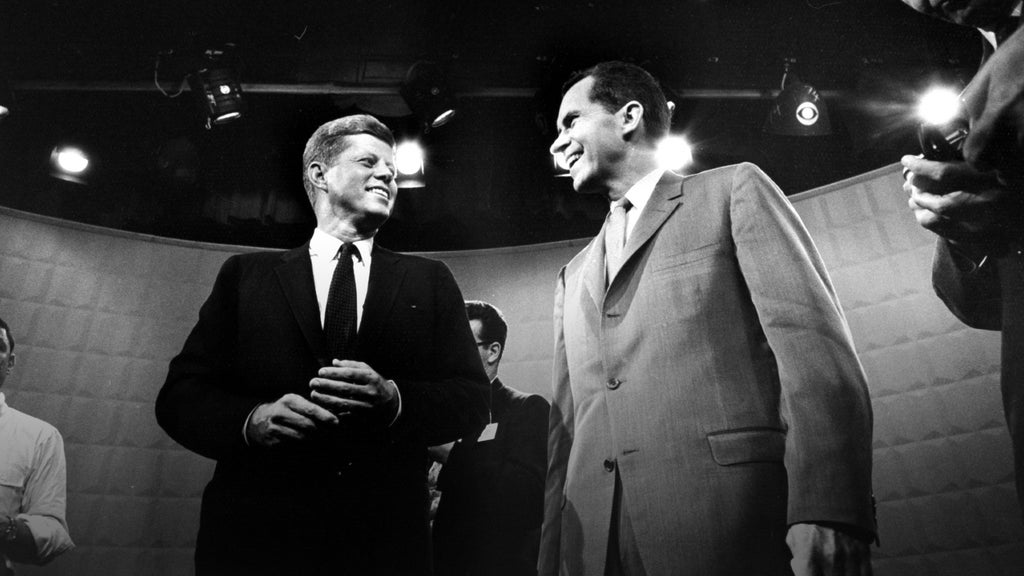
In the second of four televised debates, Democratic presidential nominee John F. Kennedy and Vice President Richard Nixon turn their attention to foreign policy issues. Three Cold War episodes, in particular, engendered spirited confrontations between Kennedy and Nixon. The first involved Cuba, which had recently come under the control of Fidel Castro. Nixon argued that the island was not “lost” to the United States, and that the course of action followed by the Eisenhower administration had been the best one to allow the Cuban people to “realize their aspirations of progress through freedom.” Kennedy fired back that it was clear that Castro was a communist, and that the Republican administration failed to use U.S. resources effectively to prevent his rise to power. He concluded that, “Today Cuba is lost for freedom.”
The second point of contention revolved around the downing of an American U-2 spy plane over the Soviet Union and the subsequent canceling of the U.S.-Soviet summit set for May 1960. Kennedy argued that the United States was “not in accordance with international law” in the case, and should have expressed its regrets to the Soviet Union in an attempt to keep the summit on track. Nixon fired back that Kennedy was simply wrong: the Soviets never really wanted the summit to take place and simply used the incident as an excuse.
The two candidates continued their discussions of foreign policy in the next two debates, but the lines had clearly been drawn. Kennedy’s strategy was to paint the Republican administration in which Nixon served as timid, indecisive, and given to poor strategizing in terms of the Cold War. Nixon, on the other hand, wanted to portray Kennedy as naive and much too willing to compromise with the Soviets and communist Chinese. Whether the debates really changed any voters’ minds is uncertain. While many speech experts argue that Nixon really won the debates, media analysts claim that Kennedy’s telegenic presence swayed enough voters for him to win the extremely close 1960 election.
More news today
loading...