Today
20
in History
26
January
February
March
April
May
June
July
August
September
October
November
December
01
Thu
02
Fri
03
Sat
04
Sun
05
Mon
06
Tue
07
Wed
08
Thu
09
Fri
10
Sat
11
Sun
12
Mon
13
Tue
14
Wed
15
Thu
16
Fri
17
Sat
18
Sun
19
Mon
20
Tue
21
Wed
22
Thu
23
Fri
24
Sat
25
Sun
26
Mon
27
Tue
28
Wed
29
Thu
30
Fri
31
Sat
...
10-31-1950
Earl Lloyd becomes first Black player to suit up in the NBA
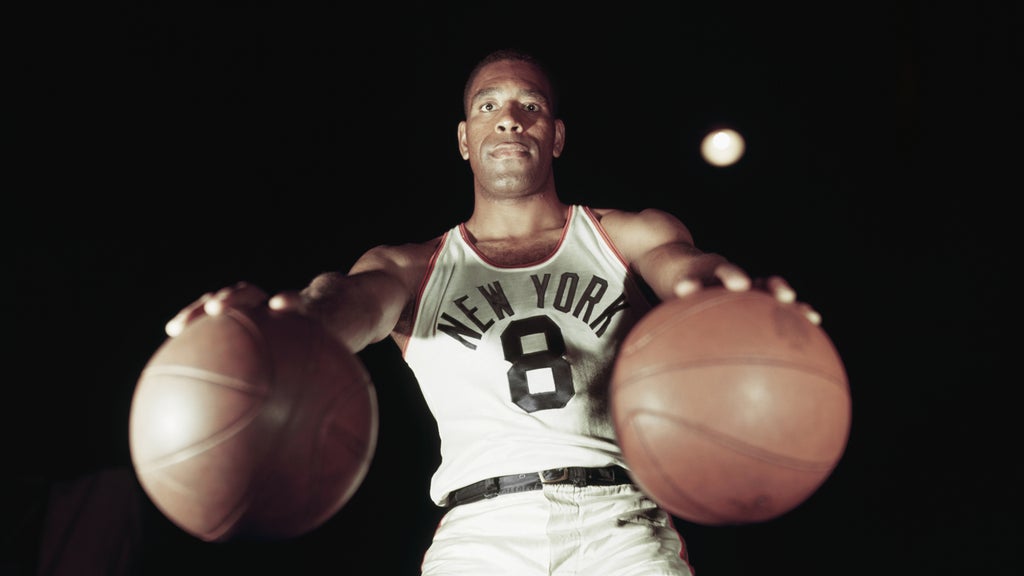
On October 31, 1950, 21-year-old Earl Lloyd becomes the first African American to play in an NBA game when he takes the court in the season opener for the Washington Capitols.
Lloyd grew up in Jim Crow Virginia and went to West Virginia State, where he was the star of the school’s championship basketball team. He didn’t know he’d been drafted by the NBA until he ran into a friend on campus who told him she’d heard a rumor that he’d be moving to Washington. It turned out that the Capitols had picked him in the ninth round of the draft. Two other Black players joined the NBA that season—the Celtics drafted Chuck Cooper in the second round and the New York Knicks got Nat “Sweetwater” Clifton from the Harlem Globetrotters—but the Knicks and the Celts didn’t start their seasons until November. As a result, Lloyd became a coincidental pioneer: the first Black player to make his debut in the NBA.
Joining an all-white team was intimidating, Lloyd remembered, but his teammates—most of whom had played on integrated college teams—were immediately welcoming. Some fans, however, were less kind. As the announcer read the Capitols’ lineup on that first night of the season, a white man in the front row used a racial slur.
After seven games with the Capitols, Lloyd was drafted into the military and sent to Korea for two years. When he returned to the United States, the Capitols had gone out of business, and so he went to play for the Syracuse Nationals (who later became the Philadelphia 76ers). He wrapped up his nine-season career in Detroit. After he retired from playing, he stayed in the Motor City, serving as a scout and then as an assistant coach for the Pistons. In 1970, he became the first full-time black head coach in the league. He coached the Detroit team for a year, and then went on to work for the city, in the police department and as a school administrator. He was inducted into the Basketball Hall of Fame in 2003. He died in 2015.
More news today
loading...